Drive your digital marketing beyond traffic. Take charge by focusing on converting visitors into customers. Start optimizing your website now—stop letting ad spend go to waste due to poor conversion.
A smart conversion rate optimization strategy helps brands improve website performance without increasing ad spend. Instead of chasing more traffic, businesses focus on improving what already exists. Small changes in design, messaging, or user experience can produce massive improvements in revenue.
One of the most effective methods in conversion rate optimization is A/B testing. Rather than guessing what users prefer, A/B testing uses real data to identify which version of a webpage performs better. From headlines and call-to-action buttons to product pages and checkout flows, every element can be tested and optimized for better conversions.
This guide breaks down the most practical A/B testing techniques that actually increase sales and improve conversion rate optimization results.
What Is Conversion Rate Optimization?
Conversion rate optimization is the process of improving a website or landing page to increase the percentage of visitors who complete a desired action. That action could be:
- Making a purchase
- Signing up for a newsletter
- Filling out a contact form
- Booking a demo
- Downloading an eBook
For example, if 1,000 people visit your website and 30 people make a purchase, your conversion rate is 3%.
The purpose of conversion rate optimization is simple: generate more results from existing traffic. Instead of spending more money on attracting visitors, businesses improve the user experience and persuasive elements to convert more visitors.
Why A/B Testing Matters in Conversion Rate Optimization
Many marketers make decisions based on assumptions. They redesign pages because something “looks better” or rewrite headlines because they “sound stronger.” The problem is that users often behave differently than expected.
A/B testing removes guesswork from conversion rate optimization.
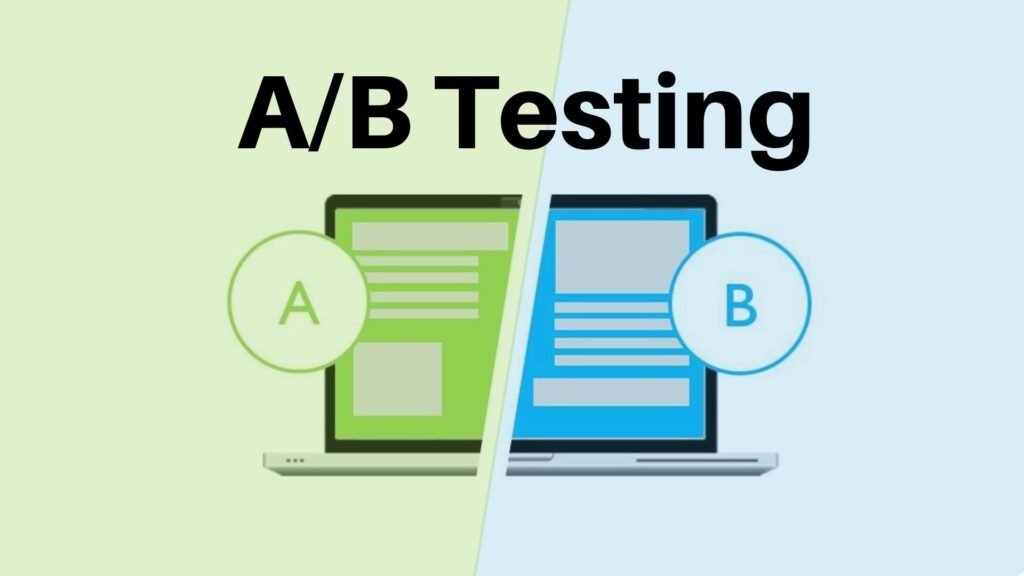
In an A/B test, two versions of a page are shown to users:
- Version A = Original page
- Version B = Modified page
Traffic is split between both versions, and the version with better performance wins.
This approach helps businesses make data-driven decisions that improve sales and customer engagement. Without testing, brands risk damaging conversions by making changes users dislike. With proper conversion rate optimization, every decision is backed by evidence.
The Psychology behind Conversion Rate Optimization
Before exploring specific techniques, let’s establish the core reasons why conversion rate optimization can be so effective for businesses.
People don’t buy products logically. Most decisions are emotional first and rational second. A good website reduces friction, builds trust, and creates clarity.
Users leave websites because of:
- Confusing navigation
- Slow loading speed
- Weak trust signals
- Poor mobile experience
- Unclear offers
- Complicated checkout processes
A successful conversion rate optimization strategy identifies these problems and fixes them systematically.
A/B Testing Techniques That Increase Sales
1. Test Headlines First
Headlines are often the first thing visitors notice. A weak headline can destroy conversions even if the rest of the page is excellent.
In conversion rate optimization, headlines should communicate:
- Clear value
- Immediate relevance
- Emotional benefit
- Curiosity or urgency
Example:
Version A:
“Learn Digital Marketing”
Version B:
“Get Job-Ready Digital Marketing Skills From Home”
The second version is more specific and outcome-focused. It tells users exactly what they gain.
What to Test
- Length
- Emotional triggers
- Numbers
- Questions
- Benefit-driven messaging
A small headline change can dramatically improve conversion rate optimization performance.
2. Optimize Call-to-Action Buttons
CTA buttons are critical conversion points. Poor button design or wording can significantly reduce clicks.
Many businesses use generic CTAs like:
- Submit
- Click Here
- Learn More
These lack motivation.
Instead, use action-focused CTAs that create clarity and excitement.
Better CTA Examples
- Start My Free Trial
- Get Instant Access
- Book My Demo
- Claim Your Discount
Elements to Test
- Button color
- Button size
- Placement
- Text
- Rounded vs square corners
Effective CTA testing is one of the fastest ways to improve conversion rate optimization.
3. Reduce Form Fields
Long forms hurt conversions. People don’t want to spend time filling in unnecessary details.
In conversion rate optimization, reducing friction is essential.
Example
Instead of asking for:
- Full name
- Phone number
- Address
- Company name
- Job title
Try asking only:
- Name
You can collect additional information later.
Why This Works
Users hesitate when they feel overwhelmed. Simpler forms create less resistance and improve completion rates.
Testing shorter forms often produces major gains in conversion rate optimization.
4. Improve Product Page Layout
Product pages directly impact sales performance.
A cluttered or confusing layout creates doubt. A clean, organized page improves trust and buying confidence.
What to Test
- Product image size
- Image galleries
- Product descriptions
- Bullet points vs paragraphs.
- Customer reviews placement
- Pricing display
Key Insight
Users scan pages rather than read them fully. Structure matters.
A strong conversion rate optimization strategy ensures important information appears above the fold and remains visually clear.
5. Test Social Proof Placement
People trust other customers more than brands.
That’s why testimonials, ratings, and reviews are powerful in conversion rate optimization.
Types of Social Proof
- Customer testimonials
- Star ratings
- Video reviews
- User-generated content
- Client logos
- Case studies
A/B Testing Ideas
- Reviews above vs below CTA
- Video testimonials vs text
- Number-based proof (“10,000+ customers”)
- Real customer images
Trust signals reduce hesitation and increase purchase confidence.
6. Optimize Page Speed
Slow websites kill conversions.
Even a one-second delay can significantly reduce sales. Speed optimization is a core part of modern conversion rate optimization.
For the best Digital Marketing strategies that drive real results, contact Arun Ajayan, a digital marketer focused on improving conversions, sales, and user experience.
Areas to Improve
- Compress images
- Reduce unnecessary scripts
- Use caching
- Optimize mobile loading
- Improve server response time.
What to Test
- Lightweight vs heavy designs
- Lazy loading images
- Video autoplay vs static images
Fast websites improve user experience and increase conversion potential.
7. Use Scarcity and Urgency Carefully
Urgency encourages faster decision-making.
However, fake urgency damages trust. Effective conversion rate optimization uses authentic scarcity.
Examples
- Limited stock alerts
- Countdown timers
- Flash sale deadlines
- Limited seats available
What to Test
- Timer placement
- Wording style
- Red vs neutral timer colors
- Percentage discounts vs fixed discounts
When used correctly, urgency can significantly improve sales conversions.
8. Test Pricing Presentation
Pricing psychology matters more than most businesses realize.
A simple pricing display adjustment can improve conversion rate optimization quickly.
Examples
Instead of:
₹1000
Try:
₹999
Or compare:
- Monthly pricing
- Annual pricing with savings
- Highlighted “most popular” plan
Elements to Test
- Currency formatting
- Price anchoring
- Discount visibility
- Plan comparison tables
Users rarely evaluate pricing rationally. Presentation strongly influences perception.

9. Optimize Mobile Experience
Mobile traffic dominates most industries today. Yet many websites still offer poor mobile usability.
A mobile-first conversion rate optimization approach is now essential.
Common Mobile Problems
- Tiny buttons
- Slow loading
- Difficult navigation
- Poor checkout flow
- Pop-ups blocking content
What to Test
- Sticky CTA buttons
- Mobile menu layouts
- One-page checkout
- Thumb-friendly designs
Ignoring mobile optimization is one of the biggest conversion mistakes businesses still make.
10. Test Different Landing Page Structures
Not all audiences behave the same way.
Some users prefer detailed explanations. Others want quick information.
That’s why landing page testing is essential in conversion rate optimization.
Variations to Test
- Long-form vs short-form pages
- Video sales pages vs text pages
- Minimalist vs information-heavy layouts
- Single CTA vs multiple CTAs
Different traffic sources may also require different landing pages.
For example:
- Google Ads users may need direct offers.
- Social media users may require more trust-building
Common A/B Testing Mistakes
Many brands fail at conversion rate optimization because they test incorrectly.
Testing Too Many Elements at Once
If you change headlines, images, colors, and layouts simultaneously, you won’t know which change caused the results.
Test one major variable at a time.
Ending Tests Too Early
Small sample sizes produce misleading data.
Wait until results are statistically meaningful before deciding winners.
Ignoring User Intent
Not all visitors behave similarly.
A/B tests should align with audience intent and traffic source.
Copying Competitors Blindly
Just because a tactic works for another brand doesn’t mean it will work for yours.
Effective conversion rate optimization depends on your audience, industry, pricing, and positioning.
Best Tools for Conversion Rate Optimization
Several tools simplify A/B testing and performance analysis.
Popular CRO Tools
- Google Optimize alternatives
- VWO
- Optimizely
- Hotjar
- Crazy Egg
- Microsoft Clarity
These tools help businesses analyze user behaviour and systematically optimize conversion rates.
Metrics to Track During A/B Testing
Tracking the right metrics is critical.
Important Metrics
- Conversion rate
- Bounce rate
- Average session duration
- Cart abandonment rate
- Click-through rate
- Revenue per visitor
Good conversion rate optimization focuses on business outcomes, not vanity metrics.
More clicks mean nothing if revenue doesn’t increase.
How Long Should You Run A/B Tests?
There’s no perfect timeframe.
It depends on:
- Traffic volume
- Conversion frequency
- Test complexity
However, most conversion rate optimization experts recommend running tests for at least one to two weeks to avoid misleading results caused by temporary fluctuations.
The Future of Conversion Rate Optimization
The future of conversion rate optimization is becoming increasingly personalized.
AI-driven experiences now allow businesses to customize:
- Product recommendations
- Website content
- Offers
- User journeys
Instead of one static experience for everyone, websites adapt based on user behaviour.
Voice search, predictive analytics, and behavioural personalization will shape the next phase of conversion rate optimization.
Businesses that fail to adapt may struggle to remain competitive.

Final Thoughts
Most businesses focus too much on generating traffic and not enough on improving conversions. That’s a costly mistake.
A strong conversion rate optimization strategy helps brands increase revenue without constantly increasing marketing budgets. Even small improvements in conversion rates can create a significant financial impact over time.
A/B testing gives businesses something most marketing lacks: clarity.
Instead of relying on opinions, assumptions, or trends, marketers can use real user behavior to make smarter decisions.
The key is consistency.
Successful conversion rate optimization is not about random experiments. It’s a continuous process of testing, learning, refining, and improving user experience.
Brands that treat optimization seriously almost always outperform competitors who rely only on traffic generation.
Because at the end of the day, more traffic doesn’t automatically mean more sales.
Better conversions do.